Watercolor Lilac Clipart: A Designer’s Real-World Embroidery Review
First Impressions: Soft, Artistic, and Versatile
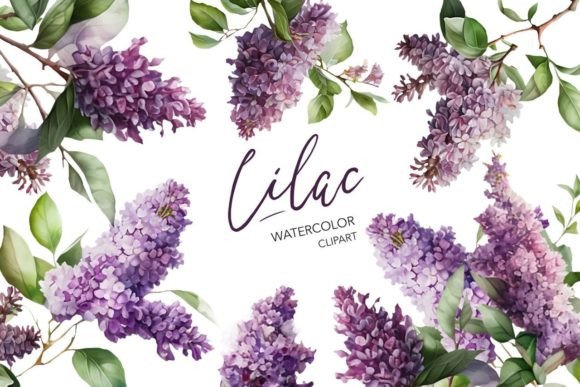
When I first opened the Watercolor Lilac Clipart file, I was struck by its soft, painterly quality. The design has a dreamy, hand-brushed look with subtle color blending that mimics real watercolor techniques. It’s not overly detailed, which is a good thing—it gives the design a clean, modern feel without sacrificing artistic charm. The lilac blooms are gracefully arranged, making this a natural fit for spring and floral-themed projects.
From a design standpoint, this illustration leans toward the feminine and elegant side, which makes it ideal for boutique apparel, baby items, and personalized gifts. It doesn’t scream for attention, but instead enhances the product with a gentle, sophisticated touch. The layout is balanced, and the negative space feels intentional—something that’s crucial when translating a digital illustration into a stitched embroidery design.
Real-World Use: From Tote Bags to Sweatshirts
I tested the Watercolor Lilac Clipart on a few different fabric types and product styles to see how it would translate in real-life embroidery. On a natural cotton tote bag, the design stitched out beautifully. The watercolor effect translated well into satin and fill stitches, giving the embroidered version a soft, painterly texture that mimicked the original artwork.
When I moved to a sweatshirt, I noticed that the design’s soft lines and gentle curves held up well against the thicker, looped fabric. The key here was using a quality stabilizer to prevent puckering. The lilac design added a subtle decorative touch without overpowering the garment—perfect for a boutique-style look.
For a baby onesie, the clipart worked surprisingly well. The size scaled down nicely without losing its character, and the embroidered lilacs gave the item a custom, handcrafted feel that would appeal to parents looking for unique baby gifts. I did test it on a darker fabric too, and while the color contrast changed the mood slightly, it still read clearly and elegantly.
Where to Use It with Care
Like any illustration-based design, Watercolor Lilac Clipart has its limitations. It’s not ideal for very small hoop sizes. The soft edges and subtle color transitions can get lost when scaled down too much, especially if you're aiming for a crisp embroidered look.
On textured or stretchy fabrics like knits or fleece, the design requires a bit more attention. You’ll want to use a cutaway stabilizer and possibly reduce the satin stitch density around the edges to prevent distortion. I also noticed that on curved surfaces like baseball caps, some of the softer details in the petals didn’t stitch out as crisply as they did on flat fabric. This isn’t a deal-breaker, but it’s something to keep in mind when planning your project.
Dark fabric backgrounds will definitely affect how the lilacs appear. If you’re going for a dramatic look, that can work beautifully. But if you want the soft, watercolor feel to remain intact, consider using light-colored thread or adding a white underlay to make the design pop.
How It Impacts Your Product and Customer Experience
In terms of visual appeal, Watercolor Lilac Clipart elevates the finished product. It adds a touch of artistry that sets your embroidery apart from generic clipart or stock designs. This is especially important if you're running a small shop or Etsy business where handmade presentation and brand consistency matter.
From a customer perspective, this design reads as high-quality and thoughtful. Whether you're embroidering a personalized gift or creating a boutique-style sweatshirt, the lilac illustration adds a layer of sophistication that can justify a higher price point. It also enhances giftability—this is the kind of design that feels special and intentional, which is key for items like baby gifts, wedding favors, or holiday merchandise.
For digital product sellers, this clipart can serve as a strong design asset. Used in printable mockups or digital embroidery previews, it helps buyers visualize the final product more clearly. That clarity can lead to more confident purchases and fewer returns or revisions.
Designer Notes: Practical Tips Before You Stitch
Before jumping into a full project, always test Watercolor Lilac Clipart on scrap fabric. This helps you evaluate stitch density, thread color choices, and how the design handles different textures. I recommend starting with a mid-weight stabilizer and adjusting from there depending on your fabric type.
Thread color contrast is especially important with this design. If you’re using it on a dark background, test a few light thread options to see which gives the best definition without looking too harsh. For light fabrics, consider using pastel thread shades to maintain that soft watercolor vibe.
Check the hoop size requirements before starting. If you're working with a smaller hoop, you may need to simplify or resize the design slightly to avoid distortion. Also, inspect the finer details—like the edges of the petals and any subtle shading—to make sure they hold up well after stitching.
If you're using this design for commercial embroidery or digital product sales, double-check the licensing terms. Make sure the clipart is cleared for both personal and commercial use, especially if you plan to sell finished items or include it in printable mockups.
Final Thoughts: A Strong Addition to Your Embroidery Toolkit
Watercolor Lilac Clipart is a versatile, aesthetically pleasing design that works well across a variety of embroidery applications. It brings a touch of artistry and elegance to projects without being overly complex or difficult to stitch. Whether you're creating a custom embroidered tote, a personalized baby blanket, or a boutique sweatshirt, this design enhances the final product with a soft, hand-painted feel.
As with any machine embroidery design, success comes from thoughtful execution. Test it thoroughly, choose your fabrics wisely, and pay attention to thread color and stabilizer use. With a little care, this lilac illustration can become a go-to asset in your embroidery project lineup.