Watercolor Transportation Clip Art Review for Real Embroidery Use
First Impressions: A Soft, Playful Vibe for Transport-Themed Projects
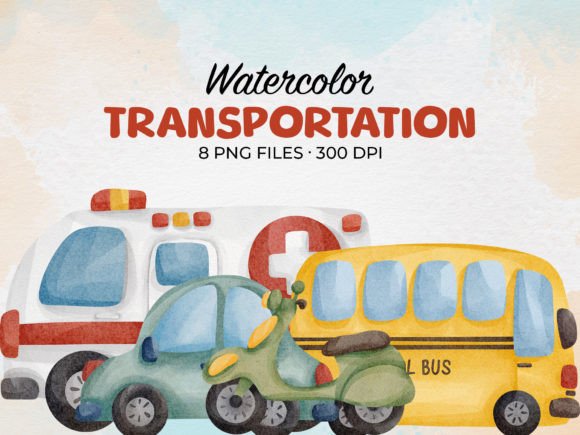
As an embroidery designer who frequently works with themed collections, the first thing I noticed about Watercolor Transportation Clip Art is its gentle, artistic aesthetic. It’s clearly crafted with a painterly touch—soft edges, subtle blending, and a whimsical charm that immediately feels at home in children’s wear, boutique accessories, or playful home décor.
The set includes a variety of transportation motifs—trains, buses, planes, and boats—all rendered in a cohesive watercolor style. The shapes are clean but not overly detailed, which is a big plus for embroidery work where clarity matters. This design feels like a strong candidate for baby items, personalized tote bags, or even boutique-style sweatshirts where a soft visual tone is desired.
Real-World Use: From Tote Bags to Baby Clothes
I recently tested this design on a custom embroidered tote bag for a local boutique. The goal was a “travel-themed” collection for kids and young moms. I chose a medium-weight cotton canvas and used a standard tear-away stabilizer. The result was surprisingly clean—edges held well, and the soft watercolor texture translated nicely into satin and fill stitches without looking flat or overly digital.
For baby clothes, especially onesies and burp cloths, this design works beautifully. The gentle color transitions mimic hand-painted illustrations, giving a handmade, boutique feel. It’s also a good fit for embroidered patches, especially when used on hats or backpacks where a more artistic, less cartoonish look is preferred.
Commercial Appeal: Etsy Listings and Craft Fair Favorites
If you're an Etsy seller or run a small craft business, this design has strong giftability. Its watercolor style adds a touch of sophistication to personalized items like tea towels, pillow covers, or nursery wall art. It’s not overly trendy, which helps with long-term relevance in your product line.
I used it in a set of holiday-themed embroidered tea towels and found that customers responded well to the nostalgic, artistic feel. The design’s versatility across seasons and occasions makes it a solid asset for digital product sellers who want to offer something both usable and visually distinct.
Where to Use with Caution
While Watercolor Transportation Clip Art performs well in many scenarios, it does require thoughtful application. On stretchy knit fabrics like those used in baby bodysuits or t-shirts, some of the softer lines may distort slightly during stitching. A lightweight cutaway stabilizer helped maintain shape and clarity.
Dark fabrics can also mute the delicate color washes. I tested it on black cotton and found that some of the lighter watercolor elements nearly disappeared. This isn’t a flaw in the design itself, but something to consider when planning your thread colors and fabric choices.
Small hoop sizes are another limitation. The more intricate pieces in the set—like the airplane or boat—lose some of their charm when scaled down. If you're making embroidered patches or cap front designs, test the file in your hoop first to ensure key details don’t get lost.
Stitch Clarity and Visual Impact
From a technical standpoint, the stitch paths appear well-constructed. There’s a good balance between satin and fill stitches, with minimal underlay showing through. The soft outlines hold up well on medium-density fabrics, though I’d recommend using a topper if you’re stitching on textured materials like denim or thick towels.
One thing I appreciated was how the design maintains its visual identity even after embroidery. It doesn’t look like a generic vector import—it feels intentional, like it was built with textile in mind. That’s a big plus for designers who want their work to look polished and professional, especially in client-facing projects or boutique branding.
Thread and Fabric Considerations
Thread color contrast plays a big role in how this design reads after stitching. I tested it with both standard polyester and rayon threads. Rayon gave a more lustrous finish that complemented the watercolor effect, especially on lighter fabrics. For darker backgrounds, I switched to metallic accents in key areas to help the design pop.
Fabric texture matters too. On smooth cotton or felt, the design shines. On rougher weaves or knits, some of the subtlety gets lost. Always test on a scrap piece before committing to your final product, especially if you're using it for a custom order or a commercial run.
Design Notes for Embroidery Professionals
- Test the file in black and white mockups to see how contrast affects detail.
- Check small details like wheel spokes or airplane windows—they can vanish on smaller hoop sizes.
- Use a lightweight water-soluble topper for textured or loosely woven fabrics.
- Review stitch density—some areas may benefit from minor adjustments for optimal coverage.
- Confirm file compatibility with your machine format before stitching.
- Verify licensing terms if you plan to use this in commercial embroidery or digital product bundles.
Final Thoughts: A Versatile Addition to Your Design Kit
Overall, Watercolor Transportation Clip Art is a well-balanced design that bridges the gap between artistic illustration and functional embroidery. It’s especially useful for small business owners and Etsy sellers who want to offer unique, visually appealing products without sacrificing stitch quality.
Whether you're creating personalized gifts, boutique apparel, or custom embroidered patches, this design brings a soft, engaging energy that’s hard to replicate with standard clip art. Just be mindful of fabric choice, thread contrast, and scale, and you’ll get a polished, professional result every time.